Brian Hernandez

Brian Hernandez is the owner of VIP Personal Fitness and a personal trainer in Fort Lee, New Jersey. He helps adults build practical strength-training routines through semi-private coaching and coached small-group workouts, emphasizing clear instruction, appropriate exercise choices, steady progression, and consistency.

VIP Personal Fitness is downstairs at 1620 Lemoine Ave, Suite 1, Fort Lee. Its programs include 45-minute semi-private sessions for two to four clients, 30-minute Strength Camp, and 45-minute Boot Camp. Private one-to-one training is offered separately at VIP Fitness Center upstairs in Suite 2.

Brian's articles help readers choose a coaching format, plan repeatable routines, and understand fitness assessments in context. His writing provides general fitness education, not medical diagnosis, rehabilitation, or individualized medical nutrition advice.

Stretching With a BOSU Ball: When Support Helps

Stretching With a BOSU Ball: When Support Helps

A BOSU is optional for flexibility work. Use it only when the position helps you reach and control the movement you intend. If balancing distracts you from the stretch, a stable floor, chair, or fixed support may be a better choice.

Stretching should not become a test of how far you can force a joint. The suggestions below are general examples to discuss with a coach, not treatment for a particular pain or injury.

Separate Flexibility From Balance

Flexibility concerns available movement; balance concerns controlling your position. Combining them is sometimes possible, but it is not automatically more efficient. Ask which quality you are trying to practice and whether the added task gets in the way.

For example, standing on a dome while pulling one arm across the chest makes the setup harder to balance. It does not establish that the shoulder receives a more useful stretch. You can perform an appropriate shoulder stretch while standing on stable ground or sitting in a stable chair.

Warm Up and Stay Within a Comfortable Range

AAOS flexibility guidance recommends warming up and stretching gently rather than bouncing or forcing through pain. Choose duration and position to suit the person. A one-minute hold is not a requirement for every stretch.

Some sessions use controlled movement preparation before exercise and other flexibility work afterward. Your coach can explain why a particular exercise belongs at that point in the session. Not every feeling of stiffness calls for the same stretch.

Calf Work: Start With Dependable Support

A stable-wall calf stretch is one option: use the wall for support, place one foot behind the other, and gently shift until you feel a comfortable stretch with the rear heel supported. A coach can adjust the stance and position.

Putting a foot on a dome changes the angle and stability. Do not assume that this is a necessary progression, especially when you already have difficulty controlling the stable version. Stop rather than forcing the heel or ankle into a painful position.

Hamstring Work: Choose a Position You Can Control

A seated position on a stable support may allow a comfortable, gentle forward hinge. Keep the reach within your available range rather than treating touching the toes as the goal. The setup should not require someone to push you farther.

Sitting on a BOSU may change the height and support, but the device is not a reason to reach as far as possible. Discuss a different position when balance, pressure, or getting down to the equipment creates a problem.

Shoulders and Triceps: Do Not Add Instability by Default

Choose a comfortable supported position for upper-body stretching. Do not pull an arm beyond its available range or assume that more discomfort creates more benefit. Existing shoulder restrictions may call for an entirely different exercise.

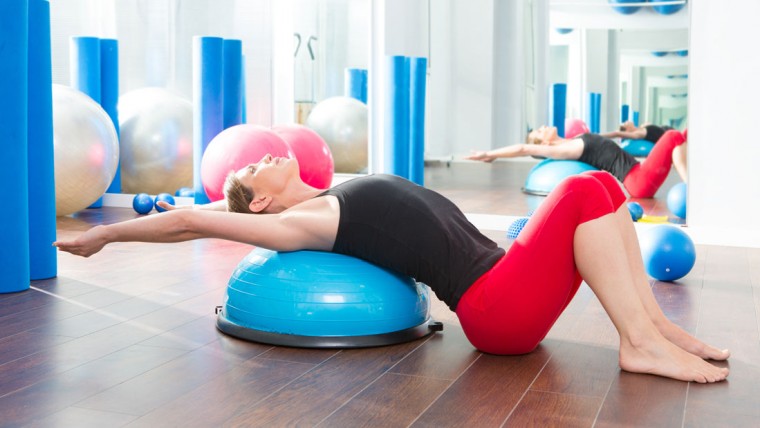
Likewise, an exaggerated back arch over a dome should not be described as a universal way to improve posture or relieve back pain. A bridge used for strength and a stretch used for mobility have different purposes.

When a BOSU Is Used

Follow the instructions for the model and keep a clear, nonslip area. BOSU advises against standing on the platform side. Have an appropriate way to enter and leave the position. Stable support remains a legitimate choice at every experience level.

Discuss Movement Options in Fort Lee

Read our warm-up guide to connect preparation with the workout ahead. For coaching, book a Free Body Diagnostic at VIP Personal Fitness, 1620 Lemoine Ave, Suite 1.

The consultation is complimentary and separate from ongoing training. Persistent pain, tingling, or unexplained movement loss deserves healthcare assessment; a fitness consultation does not diagnose the cause.
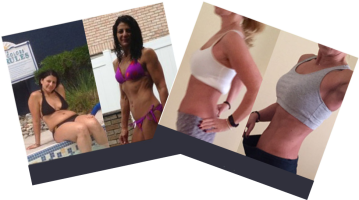
V.I.P 1 to 1 Fitness Center is hands down Fort Lee’s best kept secret! About a year ago I felt like I wasn’t able to keep up with my three kids. I knew it was time to make a change both physically and mentally. I contacted Brian Hernandez and have been training with Brian for less than 3 months. The compliments I began receiving about my shape, I had not heard in over a decade. Not to mention, the impact Brian has had on my overall well being is beyond descriptive. I have recommended Brian to 4 of my friends and they are as happy as I am with their results. All that I can say, if you are serious and committed to truly making a positive change, reach out to Brian and find out for yourself. This is the best decision I have ever made!!!!

BOSU Cardio: Build Conditioning Without Rushing Balance

BOSU Cardio: Build Conditioning Without Rushing Balance

A BOSU can add variety to a workout, but you do not need to move rapidly on an unstable surface to improve your cardiovascular fitness. When balance limits your movement before your intended conditioning effort does, choose a more stable activity rather than forcing the pace.

This guide separates two questions: how to plan a manageable cardio session and when a BOSU task adds something useful. The examples are educational, not a workout prescription for every participant at VIP Personal Fitness.

Decide Whether You Are Training Balance or Conditioning

A deliberate step onto a dome requires different attention from a steady walk. Both can belong in a program, but combining them does not guarantee that you improve both qualities equally.

For a conditioning goal, choose movement that lets you sustain an appropriate effort with control. For a balance goal, allow enough time to position yourself, use support, and step off deliberately. Do not turn a balance drill into a race to keep the heart-rate number high.

A Fifteen-Minute Conditioning Example

One illustrative session uses three minutes of comfortable movement to begin, eight minutes alternating one minute of purposeful movement with one minute at an easier pace, and four minutes gradually easing down. Four work-and-recovery pairs total eight minutes; the complete example totals fifteen.

The purposeful movement could be walking or a suitable stable-ground movement such as marching or side steps. Choose a pace that fits your current ability. Shorten the work periods or extend recovery when needed; completing the clock is not more important than maintaining control.

This is an interval structure, not necessarily high-intensity interval training. Using a timer does not make the effort high intensity, and high intensity is not a requirement for a useful starting session.

Where a BOSU Might Be Included

After a coach has checked the setup, a brief, supported dome-up task might be practiced separately from the conditioning intervals. For example, learning a controlled step on and off with a secure handhold can be treated as skill practice rather than a maximum-speed cardio drill.

Only use a version you can enter and leave deliberately. A stable step or the floor may be a more appropriate choice. Replacing the BOSU is a programming decision, not a failure to complete the workout.

Keep the Equipment Limits Clear

BOSU advises against standing on the hard platform side. Follow the instructions for your model and keep the area clear. This guide does not recommend fast jumps between balance trainers, jumping jacks on an inverted platform, or racing through burpees while losing your footing.

Check that the equipment and floor are not slippery. Stop when fatigue changes your ability to control the task. Adding a pad nearby does not make an uncontrolled fall safe.

Review Effort and Recovery, Not Just Sweat

Write down the activity, work periods, recovery periods, and how the session felt. Were you able to repeat the planned movement? Did you need extra recovery? This gives your coach useful information for the next session.

A watch’s calorie estimate is not a precise measurement of your workout, and no BOSU circuit guarantees a particular amount of fat loss. Progress might mean completing the same appropriate activity more comfortably before changing the workload.

Make the Whole Week Work

Cardio can complement strengthening work rather than replace it. Read our walking and strength-training guide for a weekly planning example, or try the concepts in our bodyweight cardio guide without balance equipment.

New pain, dizziness, or unusual breathing difficulty is a reason to stop and obtain appropriate advice. A fitness article cannot determine the cause or clear you to continue.

Discuss Coached Training in Fort Lee

Book a Free Body Diagnostic at VIP Personal Fitness, downstairs at 1620 Lemoine Ave, Suite 1. The complimentary consultation includes an InBody assessment and a discussion of your goals and suitable training options, with no obligation to purchase.

V.I.P 1 to 1 Fitness Center is hands down Fort Lee’s best kept secret! About a year ago I felt like I wasn’t able to keep up with my three kids. I knew it was time to make a change both physically and mentally. I contacted Brian Hernandez and have been training with Brian for less than 3 months. The compliments I began receiving about my shape, I had not heard in over a decade. Not to mention, the impact Brian has had on my overall well being is beyond descriptive. I have recommended Brian to 4 of my friends and they are as happy as I am with their results. All that I can say, if you are serious and committed to truly making a positive change, reach out to Brian and find out for yourself. This is the best decision I have ever made!!!!

BOSU Balance Training: A Step-by-Step Starting Guide

BOSU Balance Training: A Step-by-Step Starting Guide

Balance training begins with a task you can control and a dependable way to recover your footing. A BOSU Balance Trainer can be one tool, but you do not have to start on an unstable surface or progress to jumps to make practice worthwhile.

The sequence below is an educational example to discuss with a coach. It is not a fall-prevention assessment or an exercise prescription for someone with a medical balance disorder.

Step 1: Establish a Comfortable Stable-Ground Task

Begin near a securely fixed handhold, on a level, nonslip surface. A coach might first observe a comfortable standing position or a small, controlled shift of weight between the feet. The point is to understand your starting task, not to provoke a loss of balance.

A loose broom, rolling chair, or another unstable object is not reliable support. If standing itself is difficult, seek appropriate assessment rather than moving to more challenging equipment.

Step 2: Check the Equipment and Space

Use the instructions for your BOSU model and check its condition and inflation. Keep the surrounding area clear. The manufacturer does not recommend standing on the platform side. Dome-up use still requires an appropriate task and supervision when needed.

Before stepping on, establish where your support will be and how you will step back onto the floor. Do not add weights, a ball toss, or a closed-eye challenge while learning the setup.

Step 3: Practice a Supported Position

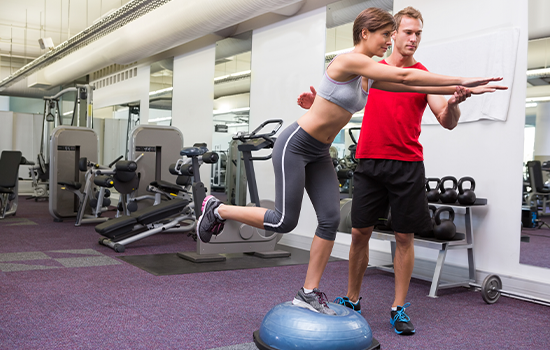
If your coach considers it appropriate, use secure support to practice getting onto and off the dome with both feet. Keep the task brief enough to remain in control. The goal is a repeatable entry and exit, not a record-length hold.

Next, the coach might introduce a small shift of pressure while you retain support. An uncontrolled step off is a reason to simplify the task. It is not evidence that you should try again faster.

Step 4: Progress One Feature at a Time

A progression could be a slightly longer controlled attempt, a modestly smaller amount of hand support, or a different suitable movement. Changing several features together makes the result difficult to interpret.

Standing on one leg is not a compulsory milestone. Nor is turning the device upside down. A stable-ground task may remain the better choice for your goal, and the amount of support you use should not become a competition with another participant.

Step 5: Review What Improved

Record the task, surface, support, and reason the attempt ended. Can you repeat it more confidently under the same conditions? Can you step off deliberately? Those observations are more useful than simply calling the workout harder.

Improvement on one device does not establish that you will avoid falls in daily life or perform a sport better. Review the actual activity you want to improve, and obtain a clinical assessment when balance changes are persistent or unexplained.

Where Strength Training Fits

Balance and strength are related training considerations, but they are not interchangeable. You might practice a supported balance task separately from stable-surface resistance exercises. Read our guide to choosing the training surface for that distinction.

For older adults, CDC activity guidance includes balance activities as well as aerobic and strengthening work. It does not require a BOSU or recommend one exercise for every person.

Ask About an Appropriate Starting Point

Schedule your Free Body Diagnostic at VIP Personal Fitness in Fort Lee to discuss goals, experience, and coaching needs. We are downstairs in Suite 1 at 1620 Lemoine Ave. The consultation is complimentary and carries no purchase obligation; it does not diagnose the cause of balance problems.

V.I.P 1 to 1 Fitness Center is hands down Fort Lee’s best kept secret! About a year ago I felt like I wasn’t able to keep up with my three kids. I knew it was time to make a change both physically and mentally. I contacted Brian Hernandez and have been training with Brian for less than 3 months. The compliments I began receiving about my shape, I had not heard in over a decade. Not to mention, the impact Brian has had on my overall well being is beyond descriptive. I have recommended Brian to 4 of my friends and they are as happy as I am with their results. All that I can say, if you are serious and committed to truly making a positive change, reach out to Brian and find out for yourself. This is the best decision I have ever made!!!!

BOSU for Sports Conditioning: What Transfers to Your Sport?

BOSU for Sports Conditioning: What Transfers to Your Sport?

Getting better at balancing on a BOSU does not automatically improve your golf swing, running speed, or ability to change direction in a game. A sport has specific demands, and a useful conditioning plan needs to explain how an exercise relates to them.

The BOSU may be one accessory in a broader program. It should not replace practicing the sport, developing appropriate strength, or building the conditioning needed to participate.

Separate Four Different Training Jobs

Skill practice develops the actual sporting task, such as striking a ball or controlling a movement in play. Strength work challenges the muscles against an appropriate resistance. Conditioning prepares you for the activity’s effort and duration. Balance practice focuses on controlling a position or movement.

These areas can interact, but an exercise does not train all of them equally just because it is difficult. Ask which job the exercise is supposed to do and how progress will be measured.

What the Research Can—and Cannot—Tell You

A 2015 systematic review found limited additional benefits when unstable-surface training was compared with stable-surface training in healthy adolescents and young adults. Findings differed across outcomes and populations, and study quality was a limitation.

That does not mean balance equipment is useless. It does mean that instability alone is not a reason to promise better athletic performance. A training decision should be tied to the person’s actual task and needs.

A Recreational Golf Example

A golfer who becomes tired while walking a course might discuss a manageable walking and conditioning plan. Someone who wants help with swing technique should work on that skill with an appropriate golf instructor. General resistance exercise may be another part of the broader plan.

A BOSU drill cannot establish which of those needs is most important. Swinging a club while standing on an unstable device also changes the task from swinging on the course. This article does not recommend using that setup as a shortcut to a better swing.

A Field-Sport Example

An athlete may need to practice acceleration, stopping, or changing direction in an appropriate environment. Their coach should consider the athlete’s experience, current workload, season, and any rehabilitation restrictions.

Rapid shuffling across a dome is not automatically a substitute for that practice. Nor does successfully catching a ball while balancing prove that a previous injury is ready for unrestricted play. Return-to-sport decisions require the relevant healthcare and coaching input.

Where a BOSU Could Fit

A coach-selected, controlled balance task could have a limited accessory role when it addresses a specific need. Keep it separate from tasks that demand equipment handling or rapid movement you cannot control. It is reasonable to choose stable-ground balance work instead.

BOSU does not recommend standing on its hard platform side. Follow the product instructions, use an appropriate support, and leave enough clear space. Adding a bat, club, or jumping sequence is not a required progression.

Measure the Goal You Actually Care About

Track the exercise itself, but also review the relevant sporting or everyday activity. Better performance on the dome is evidence about that task—not proof of a faster sprint, a lower golf score, or reduced injury risk.

Agree on a review date and a practical measure with the relevant coach. If the exercise takes time away from a higher-priority need, reconsider its place in the plan. More variety is not always a better use of limited training time.

Connect Fitness Coaching With Your Other Activities

Read BOSU versus stable-surface strength training and our balance-training starting guide. For general fitness support, book a Free Body Diagnostic at VIP Personal Fitness.

We are downstairs at 1620 Lemoine Ave, Suite 1, Fort Lee. The complimentary consultation helps discuss fitness goals and coaching options; it is not medical clearance, rehabilitation, or a guarantee of sport-specific results.

V.I.P 1 to 1 Fitness Center is hands down Fort Lee’s best kept secret! About a year ago I felt like I wasn’t able to keep up with my three kids. I knew it was time to make a change both physically and mentally. I contacted Brian Hernandez and have been training with Brian for less than 3 months. The compliments I began receiving about my shape, I had not heard in over a decade. Not to mention, the impact Brian has had on my overall well being is beyond descriptive. I have recommended Brian to 4 of my friends and they are as happy as I am with their results. All that I can say, if you are serious and committed to truly making a positive change, reach out to Brian and find out for yourself. This is the best decision I have ever made!!!!

BOSU Warm-Ups: Prepare for the Workout Ahead

BOSU Warm-Ups: Prepare for the Workout Ahead

A warm-up should prepare you for the session, not use up the energy and attention you need for it. A BOSU can be included when it serves that purpose, but it is not required and should not automatically replace easy walking, cycling, or lighter practice of the exercises ahead.

At VIP Personal Fitness in Fort Lee, the useful question is what you are preparing to do. A first session learning a squat may need a different introduction from a familiar conditioning workout.

Begin With Easy Movement

Choose an activity you can perform comfortably and gradually increase the effort as appropriate. AAOS exercise guidance describes warming up and rehearsing the movements to follow. It does not make a balance trainer a requirement.

For a beginner, easy marching on stable ground may be more useful than jogging on a dome. A warm-up is not a competition to get the highest heart-rate reading before the main session starts.

Rehearse the Movement You Will Use

Before a loaded squat, a coach might practice a suitable unloaded squat or sit-to-stand. Before a pressing exercise, the coach might use a lighter resistance or an easier version. This provides a chance to check the setup and explain the intended movement.

Do not assume that an unstable push-up prepares everyone equally well for every upper-body exercise. Preparation should connect to the actual session rather than a list of exercises that happen to use the same equipment.

An Illustrative Eight-Minute Structure

One possible structure is three minutes of easy movement, two minutes of comfortable movement preparation, and three minutes of lighter practice for the main exercises. The total is eight minutes, including explanation and transitions.

This is a planning example, not a fixed VIP protocol or a claim that eight minutes is enough for everyone. Your training history, the session, and how you feel may require more or less time. Do not remove necessary preparation simply to complete a longer exercise list.

Where the BOSU Might Fit

When balance practice is relevant and the setup is suitable, a brief supported dome-up task could be included. Use a secure handhold and a deliberate way to step on and off. Keep the task familiar enough that it does not become the most demanding part of the session.

Follow your model’s instructions. BOSU does not recommend standing on the hard platform side. Rapid jumps, hopping between devices, or maximum-effort holds are not necessary warm-up milestones.

Stretching Is a Separate Decision

A coach can choose appropriate movement preparation or stretching according to the session. Do not force an end position, bounce into discomfort, or use an exaggerated back arch as a default warm-up. Our BOSU flexibility guide compares supported and stable-ground options.

A stretch that feels strong is not necessarily the preparation your next exercise needs. Ask what the movement is intended to accomplish and how it will be adjusted for you.

Use the Warm-Up as a Check-In

Tell the trainer when a familiar movement feels unexpectedly difficult or uncomfortable. That information may change the day’s plan. New pain, dizziness, or unusual symptoms should not be hidden so that you can keep pace with other people.

The warm-up cannot guarantee prevention of injury or provide medical clearance. Persistent or unexplained symptoms need appropriate healthcare advice.

Prepare for Coached Training

Learn how 45-minute semi-private sessions work, or book a Free Body Diagnostic to discuss your starting point. VIP Personal Fitness is downstairs at 1620 Lemoine Ave, Suite 1, Fort Lee.

Your complimentary consultation includes an InBody assessment and discussion of suitable training options, with no obligation to purchase.

V.I.P 1 to 1 Fitness Center is hands down Fort Lee’s best kept secret! About a year ago I felt like I wasn’t able to keep up with my three kids. I knew it was time to make a change both physically and mentally. I contacted Brian Hernandez and have been training with Brian for less than 3 months. The compliments I began receiving about my shape, I had not heard in over a decade. Not to mention, the impact Brian has had on my overall well being is beyond descriptive. I have recommended Brian to 4 of my friends and they are as happy as I am with their results. All that I can say, if you are serious and committed to truly making a positive change, reach out to Brian and find out for yourself. This is the best decision I have ever made!!!!

What Is a BOSU Ball? Uses, Limits, and Getting Started

What Is a BOSU Ball? Uses, Limits, and Getting Started

A BOSU Balance Trainer has an inflated dome attached to a rigid platform. It changes the surface supporting part of your body, creating a different balance or control task from exercising on a stable floor. People often call it a BOSU ball, although it is not a full exercise ball.

Its usefulness depends on the exercise and the person. It is not a necessary purchase for getting fit, a guaranteed way to burn more calories, or a replacement for a complete training plan.

How Is a BOSU Used?

A coach may use an appropriate dome-supported position for balance practice or a selected trunk-control exercise. Different positions change the task. Sitting with both feet supported, placing the forearms on the dome, and standing with secure assistance are not interchangeable exercises.

The manufacturer’s phrase “both sides utilized” should not be interpreted as permission to stand in either orientation. BOSU specifically advises against standing on the hard platform side. Follow the directions for the model you are using rather than copying a social-media demonstration.

What Can It Add to a Workout?

The device can provide variety and a way to practice a chosen balance task. It can also change how a familiar exercise feels. Those are reasons to consider it, not proof that it is better than stable-ground exercise.

For example, a supported dome-up balance task may be chosen deliberately while the main strength exercises remain on stable surfaces. That separates the goals instead of making every movement unstable.

What Are Its Limits?

If balance is the reason you stop an exercise, you may be unable to perform the amount of resistance work you intended. A stable support can be preferable when the main aim is to practice lifting or compare strength over time.

Using a BOSU also requires clear space, suitable support, and a controlled way to get on and off. It is not automatically low risk because it has a soft dome. A device-free exercise can still be the appropriate option for an experienced person.

Our strength-training comparison explains the difference between making an exercise less stable and progressing the strength task.

Before Your First Attempt

Read the model’s instructions, inspect the device, and check the floor and surrounding space. Ask a coach to demonstrate the exercise and its exit. Establish whether a securely fixed handhold is needed; a loose stick or rolling chair is not dependable support.

Begin with a brief, manageable task. Do not add external weights, close your eyes, or increase speed simply to make the first attempt more demanding. Stop and simplify the setup when you cannot remain in control.

Choose an Exercise by Purpose

For balance, start with the concepts in our step-by-step balance guide. For trunk work, compare the supported and stable-ground options in our core-training guide. For conditioning, a suitable walk or stable-ground activity may serve the goal more directly.

There is no requirement to become proficient on a BOSU before lifting weights or joining an appropriate coached workout. The equipment should fit your plan, not become a test you must pass to participate.

When to Seek Individual Advice

Tell your coach about relevant restrictions, current pain, recent surgery, or balance problems. Persistent dizziness or unexplained changes in balance need healthcare assessment. A trainer cannot diagnose the cause from a movement demonstration.

Learn About Coached Training at VIP

Book your Free Body Diagnostic at VIP Personal Fitness, downstairs at 1620 Lemoine Ave, Suite 1, Fort Lee. The complimentary consultation includes an InBody assessment and discussion of your starting point, goals, and training options. There is no purchase obligation.

V.I.P 1 to 1 Fitness Center is hands down Fort Lee’s best kept secret! About a year ago I felt like I wasn’t able to keep up with my three kids. I knew it was time to make a change both physically and mentally. I contacted Brian Hernandez and have been training with Brian for less than 3 months. The compliments I began receiving about my shape, I had not heard in over a decade. Not to mention, the impact Brian has had on my overall well being is beyond descriptive. I have recommended Brian to 4 of my friends and they are as happy as I am with their results. All that I can say, if you are serious and committed to truly making a positive change, reach out to Brian and find out for yourself. This is the best decision I have ever made!!!!

What Is Bodyweight Training? A Beginner’s Guide

What Is Bodyweight Training? A Beginner’s Guide

Bodyweight training uses the weight of your body as part of the resistance. Examples range from a supported sit-to-stand to a push-up or pull-up. Some movements need no special equipment; others need a secure bar, support, or suspension system. Bodyweight does not automatically mean easy, low impact, or suitable for every person.

For a beginner, the first goal is to find useful movements you can practice with control. The exercise versions below are examples, not a requirement to complete all five in one workout.

1. Sit-to-Stand or a Squat to a Box

Use a stable chair or box that will not slide, and choose a height that fits your current ability. Place your feet comfortably, lean forward enough to stand, then return to the seat under control. Assistance from a secure support may be appropriate.

A coach can adjust the height, support, and movement. There is no universal squat depth every beginner must reach. Do not turn the exercise into repeated uncontrolled drops onto the seat.

2. A Wall or Incline Push-Up

Place your hands on a wall or securely fixed elevated surface. Step back to a manageable angle, bend your elbows to bring your body toward the support, then press away with control. Keep a comfortable body position and continue breathing.

A higher support generally reduces the challenge compared with a floor push-up. Choose the version that lets you practice deliberately rather than assuming you must begin on the floor or touch your nose to the support.

3. A Bridge

When getting down to the floor is suitable, lie on your back with knees bent and feet supported. Press through the feet and lift the hips within a comfortable range, then lower with control. Do not force a large arch through the lower back.

A bridge is one possible exercise, not a treatment for back pain. Ask for a different option when the position is uncomfortable or the floor transition is difficult.

4. A Supported Split Squat

With a secure handhold and a comfortable staggered stance, bend the knees through a manageable range and return to the start. Keep the movement controlled and use as much support as needed. Begin with a small range rather than insisting that the back knee reach the floor.

This movement may be more challenging than it looks. A sit-to-stand can remain the better starting exercise; the list is a menu, not a ladder everyone has to climb.

5. An Elevated Plank

Use a securely fixed support at an appropriate height. Place your hands or forearms as instructed, step back, and hold a comfortable position while breathing. Finish before you lose the intended position.

Longer is not automatically better. Record the support height and a manageable hold duration so you can compare the same version at a later session.

What About Pulling Exercises?

A balanced plan may also need pulling work. Bodyweight rows and pull-ups require equipment that is properly installed and rated for that use. Do not improvise a pulling station from an ordinary door, towel rail, or unstable table.

A cable, band, or machine exercise may be a more practical option. Combining bodyweight and external resistance is entirely consistent with a good training plan.

How Do You Make Bodyweight Training Harder?

You can change support, leverage, range, repetitions, or the amount of work. For example, lowering a push-up support changes how much of your body weight you manage. Make one deliberate change and record it instead of simply racing through more repetitions.

The ACSM resistance-training guidance recognizes bodyweight work as a useful option. The program still needs to match your goals and abilities. No tool guarantees a particular appearance or eliminates injury risk.

Build a Routine You Can Repeat

Read our bodyweight backup-routine guide for a short planning example, or compare bodyweight training and weightlifting. Warm up, allow adequate rest, and stop for pain or concerning symptoms.

Book your Free Body Diagnostic at VIP Personal Fitness to discuss a starting plan. The complimentary consultation includes an InBody assessment and review of your fitness goals. Find us downstairs at 1620 Lemoine Ave, Suite 1, Fort Lee. Individual needs vary; this guide is not medical advice.

V.I.P 1 to 1 Fitness Center is hands down Fort Lee’s best kept secret! About a year ago I felt like I wasn’t able to keep up with my three kids. I knew it was time to make a change both physically and mentally. I contacted Brian Hernandez and have been training with Brian for less than 3 months. The compliments I began receiving about my shape, I had not heard in over a decade. Not to mention, the impact Brian has had on my overall well being is beyond descriptive. I have recommended Brian to 4 of my friends and they are as happy as I am with their results. All that I can say, if you are serious and committed to truly making a positive change, reach out to Brian and find out for yourself. This is the best decision I have ever made!!!!

Benefits of Bodyweight Training: A Practical Backup Routine

Benefits of Bodyweight Training: A Practical Backup Routine

The practical advantage of bodyweight training is that a few familiar movements can make exercise possible when your usual equipment or schedule is unavailable. It is not automatically a complete replacement for your normal program, but it can give you a manageable backup instead of an all-or-nothing decision.

Before using a home or travel routine, learn the movements and agree on suitable versions with your coach. A short session is not a good time to experiment with an unfamiliar advanced exercise.

Benefit 1: Less Equipment to Organize

A sit-to-stand, wall push-up, and comfortable marching sequence can require little setup. You still need enough clear space and a stable, nonslip surface. An exercise that uses a support requires that support to be secure.

Some bodyweight exercises, especially pulling movements, do need purpose-built equipment. “Minimal equipment” is more accurate than promising every bodyweight workout can be done anywhere.

Benefit 2: A Small Routine Can Fit a Difficult Day

Choose a limited menu rather than squeezing your entire usual workout into less time. A backup might preserve the habit of practicing a few movements even when it does not reproduce the load or coaching of your regular session.

That distinction matters. A short routine can be worthwhile without claiming it delivers every benefit of a longer or more specific program.

A Twelve-Minute Planning Example

Use three minutes for easy movement and rehearsal. Then allow eight minutes for two unhurried rounds of three familiar exercises: a suitable sit-to-stand, a wall or incline push-up, and a bridge or another agreed movement. Use the final minute to ease down and record what you did.

As an illustration, a round could include five controlled repetitions of each selected movement, with the remaining time used for rest and transitions. The numbers are not an individualized prescription or a target you must reach. Complete fewer movements, allow more rest, or stop early when appropriate.

Three plus eight plus one is twelve minutes. The time budget is a planning tool, not an instruction to rush a set. Review our beginner bodyweight guide for examples of how the movements can be adjusted.

Benefit 3: You Can Change the Starting Version

Changing a support height or adding assistance can make a movement more manageable. Increasing the challenge can involve a different leverage or more appropriate work, not just faster movement.

Record the version you used. Five push-ups against a wall and five on the floor are different tasks, so they should not be compared as identical work. Better control can be useful progress even before the repetition count changes.

Know What the Backup Does Not Cover

A small menu may leave out pulling exercises, heavier resistance work, or a specific conditioning goal. It also lacks the live feedback of a coached appointment. Do not use an improvised attachment point to add a missing exercise.

Discuss how the backup fits the rest of the week. A missed appointment is not a reason to double the next workout, and completing a home routine does not alter your booking or cancellation terms.

Make Returning Easy

Before travel or a busy period, identify your next realistic coached session. Bring your short training notes when you return so the trainer understands what you actually completed.

Our consistency guide explains how to plan around recurring obstacles. The goal is a routine that survives real life, not a perfect attendance streak at any cost.

Match the Routine to Your Situation

Bodyweight does not mean pain-free or suitable during every injury or medical condition. Stop for pain, dizziness, or unusual symptoms. Follow relevant restrictions and obtain individualized healthcare advice when needed.

Schedule a Free Body Diagnostic at VIP Personal Fitness, downstairs at 1620 Lemoine Ave, Suite 1, Fort Lee. Your complimentary consultation helps discuss your goals, schedule, and coaching options, with no obligation to purchase.

V.I.P 1 to 1 Fitness Center is hands down Fort Lee’s best kept secret! About a year ago I felt like I wasn’t able to keep up with my three kids. I knew it was time to make a change both physically and mentally. I contacted Brian Hernandez and have been training with Brian for less than 3 months. The compliments I began receiving about my shape, I had not heard in over a decade. Not to mention, the impact Brian has had on my overall well being is beyond descriptive. I have recommended Brian to 4 of my friends and they are as happy as I am with their results. All that I can say, if you are serious and committed to truly making a positive change, reach out to Brian and find out for yourself. This is the best decision I have ever made!!!!

Bodyweight Training vs. Weightlifting: Choose by Goal

Bodyweight Training vs. Weightlifting: Choose by Goal

Bodyweight training and weightlifting are both ways to apply resistance. The useful choice depends on the exercise, the load you can manage, the equipment available, and what you want to improve. Neither method automatically produces a particular body shape or eliminates the need for good programming.

At VIP Personal Fitness in Fort Lee, the goal is to select suitable exercises rather than make you choose a permanent side in an equipment debate.

For Building Strength: Compare the Actual Task

External weights make it relatively straightforward to record the resistance and adjust it in available increments. Bodyweight exercises can be changed by adding support, altering leverage, or selecting a different variation.

For example, an incline push-up and a dumbbell press both provide a pushing task, but they are not identical tests. Someone who wants to improve a specific lift needs practice relevant to that lift. Someone who wants to complete a floor push-up needs a progression toward that movement.

For Building Muscle: The Equipment Label Is Not Enough

Appropriately challenging bodyweight work can contribute to muscle development; it is not limited to endurance. Likewise, weights are not reserved for people who want a bodybuilder’s appearance. Exercise selection, amount of work, progression, and the wider plan matter.

The ACSM resistance-training guidance includes multiple equipment options rather than requiring a single tool. Discuss how your chosen exercises will remain appropriately challenging as your abilities change.

For some movements, external resistance may make that progression easier to organize. For others, changing the bodyweight variation may provide a useful next step. The right answer can differ between exercises in the same session.

For Starting Out: Which Version Is Manageable?

A bodyweight pull-up can be much more demanding than a light machine or cable exercise. A wall push-up can be more manageable than a floor push-up. It is misleading to describe all bodyweight training as beginner-friendly and all weights as advanced.

Compare the actual setup, range, assistance, and resistance. Ask whether you can perform the movement with control, understand the instructions, and finish without forcing through pain.

For Training Away From the Studio: Consider Equipment Access

Some bodyweight exercises work well with minimal setup, which makes them useful for a short backup routine. Others require a rated bar or secure anchor. Do not assume that furniture or an ordinary door can safely replace training equipment.

Weights require access to suitable resistance and space to use and store it. A home plan should match what is actually available rather than a list of equipment you might eventually purchase.

For Comfort and Safety: Avoid Blanket Claims

Both approaches require appropriate exercise choice and workload. Jumping is bodyweight exercise but can involve impact; a supported machine movement can be relatively controlled. An exercise’s suitability cannot be determined by whether a dumbbell is present.

Tell the coach about current symptoms and relevant restrictions. A trainer can discuss alternatives within their scope, but an equipment comparison cannot diagnose an injury or establish medical clearance.

A Combined Approach

An illustrative session could use a suitable bodyweight squat variation, an incline push-up, a cable row, and a loaded carry. Another person may need a completely different menu. The point is to choose a useful version of each task, not to preserve an equipment category.

Record the exercise, support, resistance, repetitions, and how the set felt. Change one element when there is a reason, and compare like with like. Read how to progress bodyweight work and our beginner exercise guide.

Choose a Starting Plan in Fort Lee

Book a Free Body Diagnostic at VIP Personal Fitness to discuss your goals and the coaching format that fits. The complimentary 30-minute consultation includes an InBody assessment and carries no obligation to purchase.

Find us downstairs at 1620 Lemoine Ave, Suite 1, Fort Lee. Training examples are educational; individual exercise needs and results vary.

V.I.P 1 to 1 Fitness Center is hands down Fort Lee’s best kept secret! About a year ago I felt like I wasn’t able to keep up with my three kids. I knew it was time to make a change both physically and mentally. I contacted Brian Hernandez and have been training with Brian for less than 3 months. The compliments I began receiving about my shape, I had not heard in over a decade. Not to mention, the impact Brian has had on my overall well being is beyond descriptive. I have recommended Brian to 4 of my friends and they are as happy as I am with their results. All that I can say, if you are serious and committed to truly making a positive change, reach out to Brian and find out for yourself. This is the best decision I have ever made!!!!

Can Bodyweight Training Build Muscle? How to Progress

Can Bodyweight Training Build Muscle? How to Progress

Yes, bodyweight exercises can contribute to muscle development when the training is appropriately challenging and progressed over time. The limiting question is not whether a dumbbell is present. It is whether the chosen movement provides suitable work for the muscles you intend to train.

A routine can also become too easy, too difficult, or incomplete. Here is how to review a bodyweight program instead of simply adding more repetitions indefinitely.

What Does the Evidence Show?

In a small eight-week study of 18 young men, load-matched push-ups and low-load bench presses both increased measured chest and triceps muscle thickness and bench-press strength. The result supports the potential of an appropriately loaded bodyweight exercise; it does not prove that every bodyweight routine works equally well for all people or muscle groups.

Start With a Version You Can Practice

Choose an exercise that fits your current ability and relevant restrictions. An incline push-up, supported split squat, or suitable row can provide a starting task. A pull-up or advanced single-leg squat may be too demanding to practice usefully at first.

Learn the setup and range before turning the movement into a hard set. If you cannot control the first few repetitions, simplify the version or choose a different exercise. Effort and technique should be discussed together, not treated as competing goals.

A Push-Up Progression Example

Suppose you can perform two sets of six controlled incline push-ups on a secure support. Record the support height, repetitions, and how demanding each set felt. The next step might be practicing the same work more consistently, adding an appropriate repetition, or eventually lowering the support.

Do not make all those changes at once. Lowering the support changes the task, so you may need to reduce the repetition target. Two sets of six is an illustration, not a prescription or a promise that you should progress at every appointment.

The comparison is meaningful only when the support, range, and technique are similar. More repetitions achieved by shortening the movement are different information from more repetitions of the original task.

Progress More Than the Repetition Count

Options include changing leverage, adjusting assistance, increasing a suitable range, or adding work when recovery and the program support it. External resistance can also be useful. Bodyweight training does not have to remain equipment-free to be successful.

For example, someone who finds a basic squat easy might benefit from an appropriate loaded squat rather than hundreds of fast repetitions. Another person may be better served by a supported variation while learning control.

Do Not Make Every Set a Failure Test

Agree on a stopping point that fits the exercise and your experience. A beginner learning a movement does not need to keep going until it collapses. The intended challenge should not require ignoring pain, losing a secure grip, or being unable to exit the setup.

Record whether the set ended because the target work was complete, the movement became difficult to control, or something felt uncomfortable. Those are different reasons and may lead to different adjustments.

Check the Whole Program

A routine of push-ups and squats alone does not automatically cover every goal or movement. Consider pulling work, other lower-body tasks, and the rest of your activity. Pulling exercises require a properly installed bar or rated anchor; ordinary furniture should not be treated as training equipment.

Nutrition, sleep, and other demands also belong in the review. More exercise does not guarantee muscle gain when the overall plan is unsuitable. Seek individualized nutrition or medical advice when relevant rather than relying on a generic fitness article.

Get Help Choosing the Next Step

Compare bodyweight work and external weights, or review the starting movements in our beginner guide. Bring your training notes to a Free Body Diagnostic at VIP Personal Fitness.

We are downstairs at 1620 Lemoine Ave, Suite 1, Fort Lee. The complimentary 30-minute consultation includes an InBody assessment and discussion of coaching options. No purchase obligation; individual training needs and results vary.

V.I.P 1 to 1 Fitness Center is hands down Fort Lee’s best kept secret! About a year ago I felt like I wasn’t able to keep up with my three kids. I knew it was time to make a change both physically and mentally. I contacted Brian Hernandez and have been training with Brian for less than 3 months. The compliments I began receiving about my shape, I had not heard in over a decade. Not to mention, the impact Brian has had on my overall well being is beyond descriptive. I have recommended Brian to 4 of my friends and they are as happy as I am with their results. All that I can say, if you are serious and committed to truly making a positive change, reach out to Brian and find out for yourself. This is the best decision I have ever made!!!!