
Archives by date

You are browsing the site archives by date.

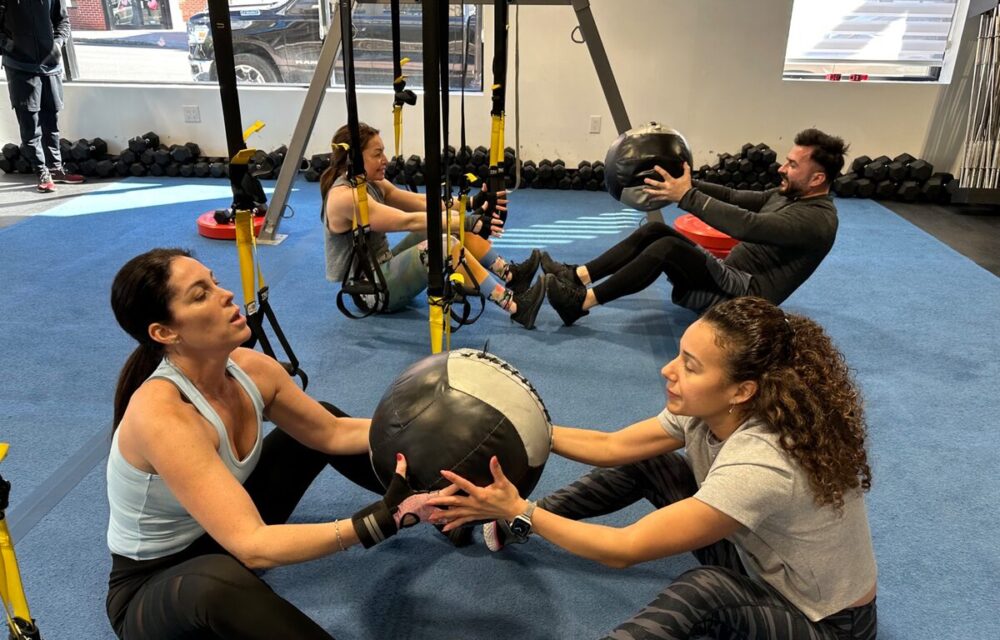
Partner medicine-ball exercises at VIP Personal Fitness in Fort Lee, NJ.

Starting Small-Group Training With a Friend: Make It Work for Both of You

Training with a friend can make a new environment feel more familiar, but a shared start still needs two individual plans. You may enjoy the same class while using different exercises, resistance, or weekly schedules. Friendship is a reason to explore the option—not proof that one package or workout fits both people.

At VIP Personal Fitness in Fort Lee, friends can ask about coached group training or the smaller semi-private format. Here is how to make the conversation practical before either of you registers.

Start With Two Goals, Not One Agreement

Each person should explain what they want help doing. One might be returning after a long break; another might want more structure around existing strength work. You do not need identical goals to share a training environment, but the coach needs to understand both starting points.

A useful opening conversation is: “We would like to train at similar times. Here is what each of us needs from the coaching.” Avoid answering every question for your friend or turning their goal into your own.

Choose the Format Before Coordinating the Calendar

VIP Personal Fitness offers 30-minute Strength Camp and 45-minute Boot Camp group workouts. Semi-private sessions last 45 minutes with two to four clients. A semi-private appointment is not automatically an exclusive session for the two of you; confirm how the available session is organized.

If one person wants uninterrupted individual attention, separate private appointments may be a better fit. VIP Fitness Center provides that service upstairs in Suite 2. Our program comparison explains the options without treating one as the correct answer for every pair.

Confirm Each Person’s Registration

Ask about current availability, the appropriate first appointment, and the registration process for each participant. Do not assume a package can be shared, a guest can attend without booking, or joining together creates a discount. Those details need an actual agreement.

Each person should be comfortable with their own purchase and relevant terms. The program should make sense for you even if your friend chooses a different frequency. A shared ride does not have to mean a shared financial commitment.

Agree on What Happens When One Person Cannot Attend

The biggest practical weakness in a buddy plan is making attendance depend entirely on the other person. Before starting, decide whether you will normally attend your confirmed session even when your friend has a conflict.

For example, two friends might aim to attend together on Tuesdays but keep a second independent training opportunity. That is an illustrative arrangement, not a promise that those times are available. Build the plan around confirmed appointments and follow the booking and cancellation terms that apply to you.

Encourage the Plan, Not Competition

Support can sound like “Are you coming to our booked session?” rather than “You should use the same weight as me.” Resist the temptation to coach your friend through a movement the trainer has modified. Ask for clarification when their version looks different.

Different resistance or rest does not tell you who is trying harder. The point is to complete an appropriate task. Our bodyweight guide shows why even exercises with the same name can have very different starting demands.

Keep Private Information Private

Your friend does not need your body-composition numbers, health history, or financial details to support your attendance. Decide what you are comfortable sharing. A consultation should give each person room to explain relevant restrictions and preferences without pressure.

Choose progress measures individually. One person may be working on a familiar strength task while another prioritizes attending regularly. Comparing those results as a competition can distract both of you from the reason you joined.

Review Whether the Shared Start Is Helping

After several sessions, ask whether training together makes arrival easier, whether you both get useful coaching, and whether either person is holding back a needed scheduling change. Keep what works and adjust the rest. You can remain supportive friends while choosing different classes.

Book your Free Body Diagnostic and mention that a friend is also interested. Ask the team how each of you should arrange a consultation and explore suitable times. The complimentary 30-minute consultation includes an InBody assessment and carries no obligation to purchase.

Visit VIP Personal Fitness downstairs at 1620 Lemoine Ave, Suite 1, Fort Lee, or call 201-886-7100. No referral promotion or complimentary guest workout is implied by this article.
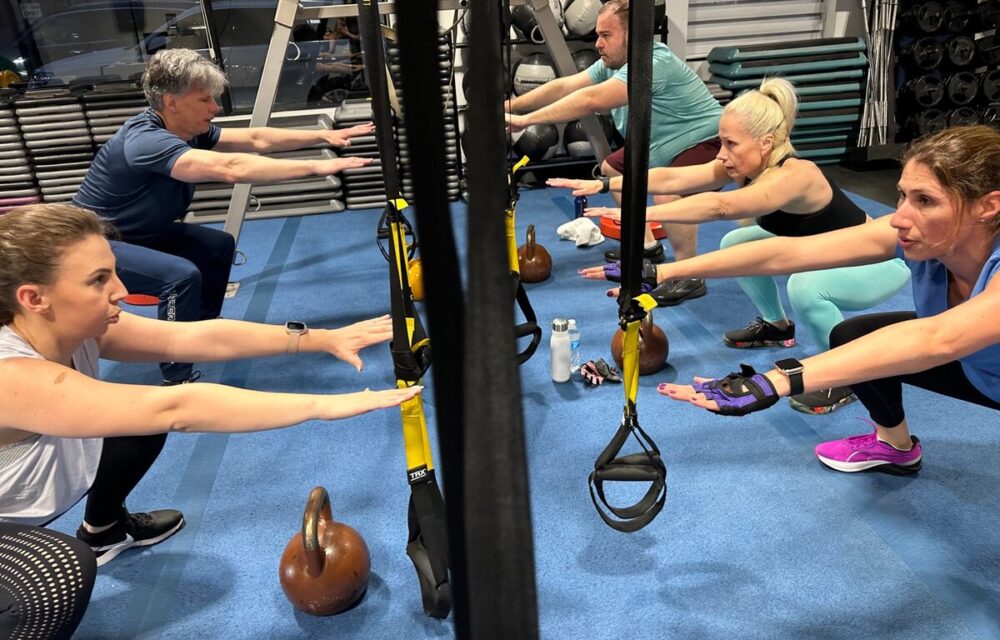
Group bodyweight squats at VIP Personal Fitness in Fort Lee, NJ.

Can You Do Boot Camp Without Jumping? Questions to Ask First

Not wanting to jump does not automatically rule out coached group training. It does mean you should ask about the actual session and suitable alternatives before registering. A class name alone cannot tell you whether the exercises will meet your needs.

VIP Personal Fitness offers 45-minute Boot Camp workouts in Fort Lee. This guide explains how to discuss impact and exercise choices with the team. It does not promise that every session can accommodate every restriction or that removing jumping makes an exercise medically appropriate.

Separate Impact From Effort

Jumping is one way to make a task more demanding, but it is not the only way. A controlled strength exercise or sustained movement can still require effort without repeated jumps. Conversely, an exercise described as low impact can still be tiring or uncomfortable for a particular person.

The CDC’s guidance on activity intensity uses the talk test to describe aerobic effort. At moderate intensity, you can generally talk but not sing. That is a different question from whether your feet leave the floor. Your appropriate starting effort may be lower.

Tell the Coach What You Are Avoiding and Why

“I prefer not to jump” and “my clinician has restricted impact after an injury” require different conversations. Share relevant guidance privately and describe any pain, balance concern, or difficulty with rapid transitions. Do not assume the trainer can infer the reason from watching one movement.

If you have new or unexplained symptoms, obtain appropriate assessment. A fitness consultation is not medical clearance, and a trainer should not diagnose the cause of discomfort by testing how many exercises you can tolerate.

Ask About the Goal of the Original Exercise

A useful substitute should serve an appropriate purpose, not simply look similar. If the task is aerobic conditioning, a controlled step or marching variation may be worth discussing. If the goal is a particular strength movement, a different resistance exercise may fit better.

As examples, a coach might compare jumping jacks with suitable side steps, or a rapid floor transition with a standing task. Those are possibilities, not universal swaps or a required VIP workout. The available space, equipment, and your abilities affect the choice.

Adjust More Than the Exercise Name

Range, pace, resistance, support, repetitions, and rest can all change the task. Replacing a jump with a step but demanding the same fast pace may leave the original problem unresolved. Ask how much work to complete and when to pause.

You should also understand how to enter and leave the setup. A stable handhold or raised support can matter more than a label such as beginner or advanced. Our no-jumping bodyweight cardio guide gives examples of adjusting movement and recovery without treating a timer as a command to rush.

Consider the Attention You Need

A group class shares the coach’s time. If your restrictions require frequent one-to-one assistance, discuss whether semi-private sessions would be more practical. At VIP Personal Fitness, those sessions last 45 minutes with two to four clients.

Dedicated private coaching is offered separately at VIP Fitness Center upstairs. Neither format replaces rehabilitation. Choose according to the support you need rather than assuming that the most intense-sounding program delivers the best result.

Evaluate Your Experience After Starting

Did the instructions make sense? Could you perform your agreed alternatives without feeling pressured to imitate the group? Were you able to ask for help before changing an exercise? Those observations tell you more about fit than whether you completed exactly the same workout as another participant.

Record the versions you used and discuss how they felt at the next visit. Progress can mean repeating a suitable task with better control before adding more work. Stop for pain, dizziness, or other concerning symptoms; completion is not more important than responding appropriately.

Ask About Your Options Before You Join

Book your Free Body Diagnostic and tell us what you need from a group workout. We will discuss your goals, experience, and available coaching formats. The complimentary 30-minute consultation includes an InBody assessment and carries no purchase obligation.

VIP Personal Fitness is downstairs at 1620 Lemoine Ave, Suite 1, Fort Lee. For current availability or questions about getting started, call 201-886-7100.


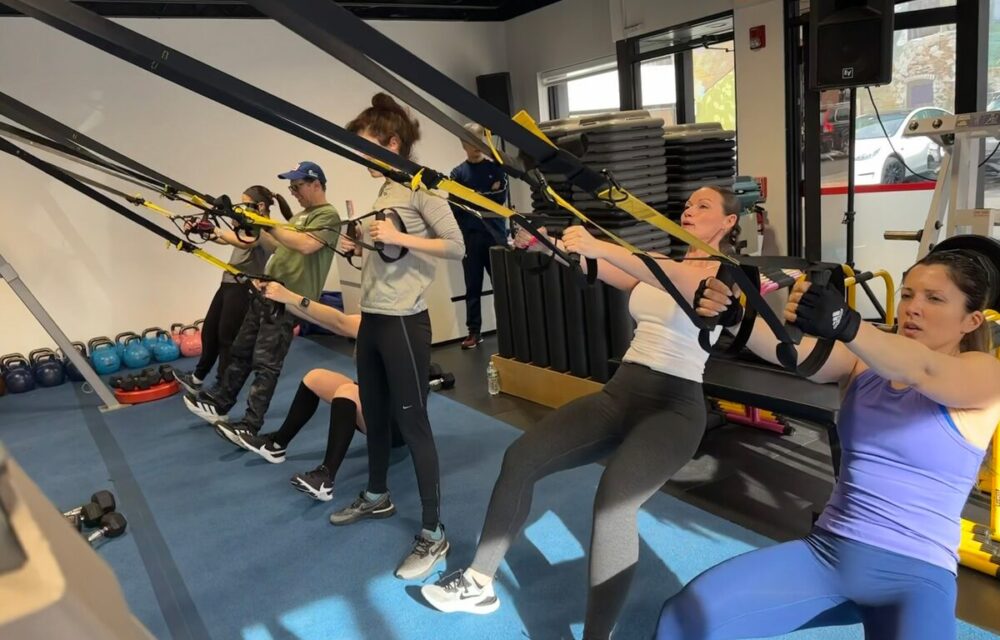
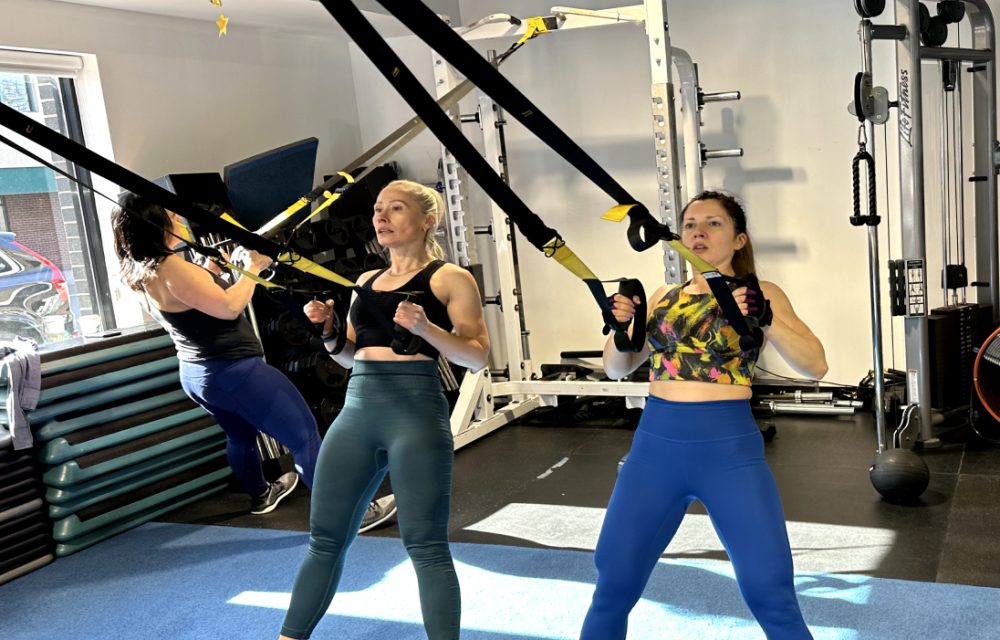
Group suspension training at VIP Personal Fitness in Fort Lee, NJ.

Your Holiday Class Calendar: Plan Training Around Travel

A useful holiday training plan starts with the dates you will actually be available. Before deciding to train more, train less, or wait until January, put your work events, travel, and family commitments on the same calendar as your workouts.

At VIP Personal Fitness, the question is how our coached group or semi-private sessions fit that real calendar. My recommendation is to plan the interruptions as carefully as the regular weeks. That makes it easier to distinguish a temporary change from a routine that has quietly disappeared.

Mark Three Types of Weeks

Label the weeks ahead as regular, restricted, or away. A regular week resembles your normal routine. A restricted week includes events that remove some of your usual opportunities. An away week may not allow studio visits at all.

For example, a person who usually trains Tuesday and Friday might be available for only Tuesday during a travel week. That observation should lead to a conversation about the available options, not an automatic commitment to make up every missed minute later. The example is a planning exercise, not a change to package or cancellation terms.

Confirm the Holiday Timetable Before Booking

Ask which sessions will actually run during holiday weeks. Regular opening hours do not prove that every usual class or trainer appointment is available on a particular date. This article does not announce VIP holiday hours or guarantee additional sessions.

For a current client, confirm the format covered by your plan, remaining visits where applicable, and booking procedures. Strength Camp is 30 minutes; Boot Camp and semi-private sessions are 45 minutes. A shorter class can solve a time problem only when it is available and fits your training arrangement.

Choose a Small Set of Appointments to Protect

Put confirmed workouts into your calendar with arrival and travel time. Look for recurring conflicts before assuming you can simply leave work earlier. Tell the team about a predictable change while there is still time to discuss it.

When a week is unusually crowded, choose an appropriate reduced plan with your coach rather than writing an unrealistic schedule. Missing one appointment does not erase the value of another completed session. Equally, a reduced schedule should be a deliberate adjustment rather than an assumption that you no longer need a plan.

Agree on a Familiar Backup for Time Away

A backup could be a suitable walk or a few familiar bodyweight movements that you have already practiced. Ask what is realistic given the space, equipment, and time you will have. An unfamiliar hotel exercise station is not a reason to improvise a demanding workout.

Our bodyweight backup guide explains a short planning example and its limits. A home routine can preserve some practice without reproducing the resistance or coaching of a studio appointment. It also does not create a credit or alter the terms of a missed booking.

Keep Celebration and Exercise Separate

Do not add a punishing circuit to compensate for a holiday meal. The useful question is what activity fits the next day, not how much exercise you think you owe. Plan ordinary meals and appropriate movement around your circumstances instead of making a social event a test of discipline.

Illness, unsafe travel conditions, pain, or other health concerns may call for postponing exercise. Discuss relevant symptoms with a healthcare professional rather than pushing through simply to preserve an attendance streak.

Book the Return Before the Break Becomes Open-Ended

Before leaving, identify your first realistic week back. Request an available appointment and confirm it through the normal process. On returning, tell your trainer what activity you actually completed and anything that changed.

A useful return review covers the schedule, your current tolerance, and one next training priority. You do not have to start from scratch, but you should not assume that every previous workload still fits. Our consistency guide offers a way to review attendance without an all-or-nothing approach.

Plan the Season With VIP Personal Fitness

Current clients can call 201-886-7100 to discuss their actual holiday availability and training arrangements. Considering joining? Book a Free Body Diagnostic and bring your holiday calendar.

The complimentary 30-minute consultation includes an InBody assessment and a conversation about suitable training options. Visit us downstairs at 1620 Lemoine Ave, Suite 1, Fort Lee. There is no obligation to purchase or a requirement to wait for a perfect month before asking about a workable start.


Small-Group Training Costs in Fort Lee: What Are You Paying For?

Small-Group Training Costs in Fort Lee: What Are You Paying For?

To compare small-group training costs, start by identifying what the quoted price actually includes. Access to equipment, admission to a class, and a smaller session with personalized coaching are different purchases. The lowest headline price may not represent the support you are looking for.

At VIP Personal Fitness in Fort Lee, your decision should connect the coaching format with the appointments you can realistically attend. This guide provides a practical comparison method. It does not quote an unverified local average or an expired VIP promotion.

Compare the Service Before the Price

VIP Personal Fitness offers 30-minute Strength Camp, 45-minute Boot Camp, and 45-minute semi-private training for two to four clients. These options differ in length and coaching arrangement. An equipment-only membership is not the same service, and we do not sell gym-only access as the equivalent of coached training.

Ask how instruction, exercise adjustments, and progress review work in the option you are considering. A smaller group can allow a different coaching experience, but it still shares the trainer’s attention. Our training-format comparison explains the differences.

Use the Total Price and the Usable Visits

For a defined package, divide the total price by the included sessions to understand the quoted price per session. Then separately estimate the sessions you expect to attend. That second calculation is for planning; it does not change the package’s contractual value or policies.

For example, imagine two hypothetical programs with the same total price. One includes eight coached visits you can attend. Another advertises twelve visits, but its available times mean you can attend only six. The larger advertised count is not automatically better value for your actual week.

These are arithmetic examples, not current VIP packages. Obtain the actual offer before making a purchase decision.

Check the Billing Interval

Ask whether the offer is a fixed session package, recurring access, or an installment arrangement for a defined purchase. Confirm payment dates and the total amount you are committing to. Calendar-monthly and every-four-weeks billing are different intervals; compare them on the same time basis.

Do not assume a general article describes the terms of your agreement. Ask about any expiration, renewal, cancellation, freeze, or transfer conditions relevant to the specific option. Request written clarification when a term is unclear rather than filling in the gap from another client’s experience.

Price the Time Commitment Too

Twice-weekly 30-minute classes use one hour of appointment time per week. Twice-weekly 45-minute sessions use ninety minutes. Add travel and changing to both. The extra time may be useful when it fits your goals and coaching needs; it is not proof that the longer format must be better.

Map the available sessions onto the coming four weeks. A manageable program you can use consistently is a more sensible purchase than an ambitious plan that repeatedly conflicts with work or family responsibilities.

Ask What Would Make You Change Formats

Suppose a group class provides the instruction and structure you need. Paying for a different format simply because it sounds more premium may add little value. On the other hand, needing repeated individual feedback is a valid reason to discuss semi-private training.

Ask what support is included now and what would require a different service. Nutrition treatment, medical rehabilitation, and unlimited access to a trainer should not be assumed to come with a fitness class.

Get a Current Recommendation, Not a Guess

For current VIP Personal Fitness prices and availability, call 201-886-7100 or book your Free Body Diagnostic. Bring the days you can attend and whether your priority is a shorter group session, a longer group workout, or a smaller coaching environment.

The complimentary 30-minute consultation includes an InBody assessment and a discussion of suitable programs. It is separate from a workout and carries no obligation to purchase. You should leave the pricing conversation understanding the format, the financial commitment, and the next scheduling step.

VIP Personal Fitness is downstairs at 1620 Lemoine Ave, Suite 1, Fort Lee, NJ 07024. The goal is not to sell you the biggest package; it is to help you choose a commitment that matches a useful training plan.