Foods for Healthy Aging: Practical Meals, Not Anti-Aging Promises
No single food can guarantee younger-looking skin or reverse aging. A more useful approach is to build meals that provide variety, fit your preferences, and are practical enough to repeat. Food choices belong alongside appropriate activity, sleep, and healthcare—not in place of them.
This guide offers meal-planning ideas rather than a medical diet or a list of foods everyone must eat. Your nutritional needs may differ because of health conditions, medications, appetite, or other circumstances.
Think About the Meal Pattern, Not a Superfood Ranking
NIH healthy-aging guidance emphasizes a varied diet alongside physical activity and other health habits. You do not need an expensive ingredient or a particular fruit to begin applying that idea.
Look at the foods you already eat. Which meals include a protein source, vegetables or fruit, and a suitable grain or other carbohydrate? Which are difficult to organize because of time, cost, or appetite? Those questions identify a more useful next step than searching for the single most powerful antioxidant.
Make Protein a Practical Meal Component
Examples include beans, lentils, tofu, eggs, yogurt, fish, poultry, or other foods that fit your preferences. Portion needs differ; this list is not a prescription to increase protein regardless of your medical circumstances.
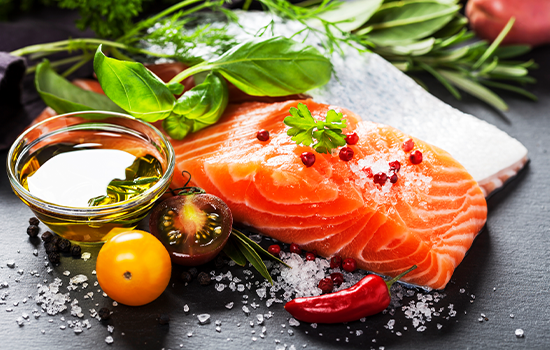
A breakfast might pair yogurt with oats and berries. A lunch might include lentils, rice, and vegetables. Dinner could combine fish or tofu with potatoes and a vegetable you enjoy. These are meal ideas, not nutritionally identical menus or calculated daily targets.
Add Variety Without Making Shopping Complicated
Choose a few produce options you are likely to use rather than buying a long list that goes to waste. Fresh, frozen, or canned ingredients can make planning more practical; compare the actual products and any dietary restrictions that apply to you.
For example, keep a frozen vegetable you enjoy for a busy evening and a convenient fruit for breakfast or a snack. Varying the choices across meals is more useful than assuming that a dark-colored food must always be more nutritious than a pale one.
Keep Grains and Other Carbohydrates in Context
Oats, rice, bread, potatoes, and other carbohydrate foods can be part of a varied eating pattern. The portion, preparation, and rest of the meal matter. There is no reason to describe an ordinary food as inherently age-increasing or to promise that cutting it out will produce younger skin.
Likewise, oils, nuts, seeds, and other fat-containing foods have different uses in meals. Choose amounts and products that fit your overall needs instead of treating any one ingredient as unlimited because it has a health-related label.
Be Careful With Antioxidant and Supplement Claims
The National Center for Complementary and Integrative Health explains that antioxidant supplements do not consistently deliver the disease-prevention benefits people may expect, and some can cause harm. Findings about a compound in a laboratory are not proof that a food or pill reverses aging.
Do not use a supplement, juice, or food to replace prescribed treatment. Ask a clinician or pharmacist about supplements when you take medication or have a medical condition. This article does not recommend a supplement product or dose.
Choose One Change You Can Repeat
Start with a specific practical action: organize an easy breakfast, add an ingredient you enjoy to a usual lunch, or keep supplies for one simple dinner. Review whether that change helps your week before adding more rules.
Difficulty swallowing, persistent poor appetite, unexplained weight loss, or problems obtaining enough food need more than a meal suggestion. Discuss them with an appropriate healthcare professional and seek practical support. Intentional weight loss is not automatically the right goal for every older adult.
Connect Food Habits With Appropriate Training
For the activity side, explore our walking and strength-training guide and coaching-format checklist. Exercise should be selected for your goals and current abilities, not sold as a way to become decades younger.
Book a Free Body Diagnostic at VIP Personal Fitness, downstairs at 1620 Lemoine Ave, Suite 1, Fort Lee. Your complimentary consultation includes an InBody assessment and discussion of your fitness starting point and training options.
There is no obligation to purchase. The consultation is not a medical diagnosis or individualized nutrition treatment; seek a registered dietitian or your healthcare team for a prescribed eating plan.