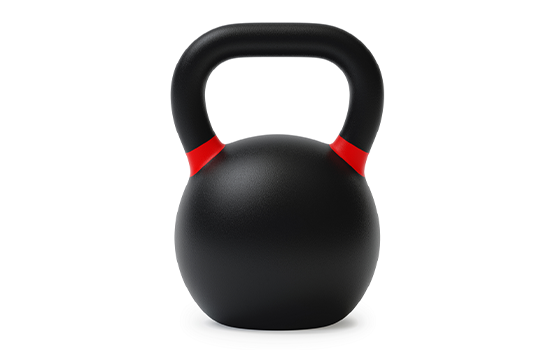
Kettlebells offer a compact way to organize several types of resistance exercise. A single tool can be used for controlled lifts, carries, and appropriately taught faster movements. The benefit comes from how you use it—not from a unique ability to transform your body faster than every other form of exercise.
Here are the practical reasons to consider kettlebells in a coached program, along with the limits that keep those reasons realistic.
A Versatile Exercise Menu
A bell can be used for a deadlift, squat, row, carry, or suitable press. That creates options when equipment space is limited. It does not mean one exercise trains every muscle equally or that one bell is the right resistance for all those tasks.
For example, the weight that fits your deadlift may be too demanding for a press. A good program can use different bells or different equipment rather than forcing every exercise around the same object.
A Clear Way to Practice Handling Resistance
Controlled exercises provide opportunities to learn how to approach, grip, move, and set down a weight. The ability to manage the setup matters as much as the repetitions between the start and finish.
For a beginner, a raised-start deadlift or supported row may be more useful than learning a long sequence of swings and cleans. Our beginner exercise guide provides examples of controlled starting options.
Options for Strength and Conditioning
The exercise, resistance, amount of work, and rest determine the session’s emphasis. A set of controlled lifts with adequate rest is different from a conditioning interval. Both can use a kettlebell, but neither should be described as automatically providing every benefit of the other.
A practical plan may separate these goals. For example, use appropriate resistance work in a coached session and walking for additional aerobic activity. There is no requirement to turn every strength exercise into a fast circuit.
Variety Without Constantly Changing Everything
Enjoying the equipment can be a valid reason to include it. You can still repeat useful exercises long enough to learn and compare them. An entirely new workout every visit is not necessary to avoid boredom.
Keep a few familiar movements, record the work, and change an element when there is a reason. This makes the program easier to review than choosing exercises only because they look different.
Progress You Can Describe
Track resistance, repetitions, distance for carries, and how demanding the work felt. Better control, an appropriate increase in work, or a more manageable setup can all be worth discussing.
A harder workout is not automatically a better one. If the grip fails, the bell path becomes uncontrolled, or pain changes the movement, the next step may be less work or a different exercise—not a heavier bell.
Benefits Should Not Become Guarantees
Kettlebells do not guarantee a particular hourly calorie burn or a fixed amount of weekly fat loss. Do not convert a short study’s exercise estimate into a promise about your whole workout or body composition. The entire plan and your individual response matter.
Nor should a fitness program be sold as treatment for pain or disease solely because it uses a particular tool. A 2019 review of kettlebells in clinical practice emphasized limitations in the available research. Its findings support caution about treatment claims, not a claim that every kettlebell workout is ineffective.
Choose the Right Tool for You
Compare the limitations and alternatives before buying equipment or choosing a program. Dumbbells, machines, bands, and bodyweight exercises can also be appropriate. Preference matters, but it should sit alongside comfort, control, and the training goal.
Book a Free Body Diagnostic at VIP Personal Fitness to discuss your starting point and coaching options. We are downstairs at 1620 Lemoine Ave, Suite 1, Fort Lee.
The consultation is complimentary and carries no obligation to purchase. Exercise examples are general education; follow relevant medical restrictions and seek advice for persistent or unexplained symptoms.